How Do Scoreboards Work?
LitZone is an educational game for young sports fans. Build math and reading skills while managing your very own pro sports franchise. Create your teacher account today!
How Do Scoreboards Work?
When you watch a sports game, the scoreboard helps you follow everything that is happening. It shows the score, the time left in the game, and sometimes player statistics. But scoreboards are more than just big screens. They are complex machines built with many engineering parts working together.
The Display Screen
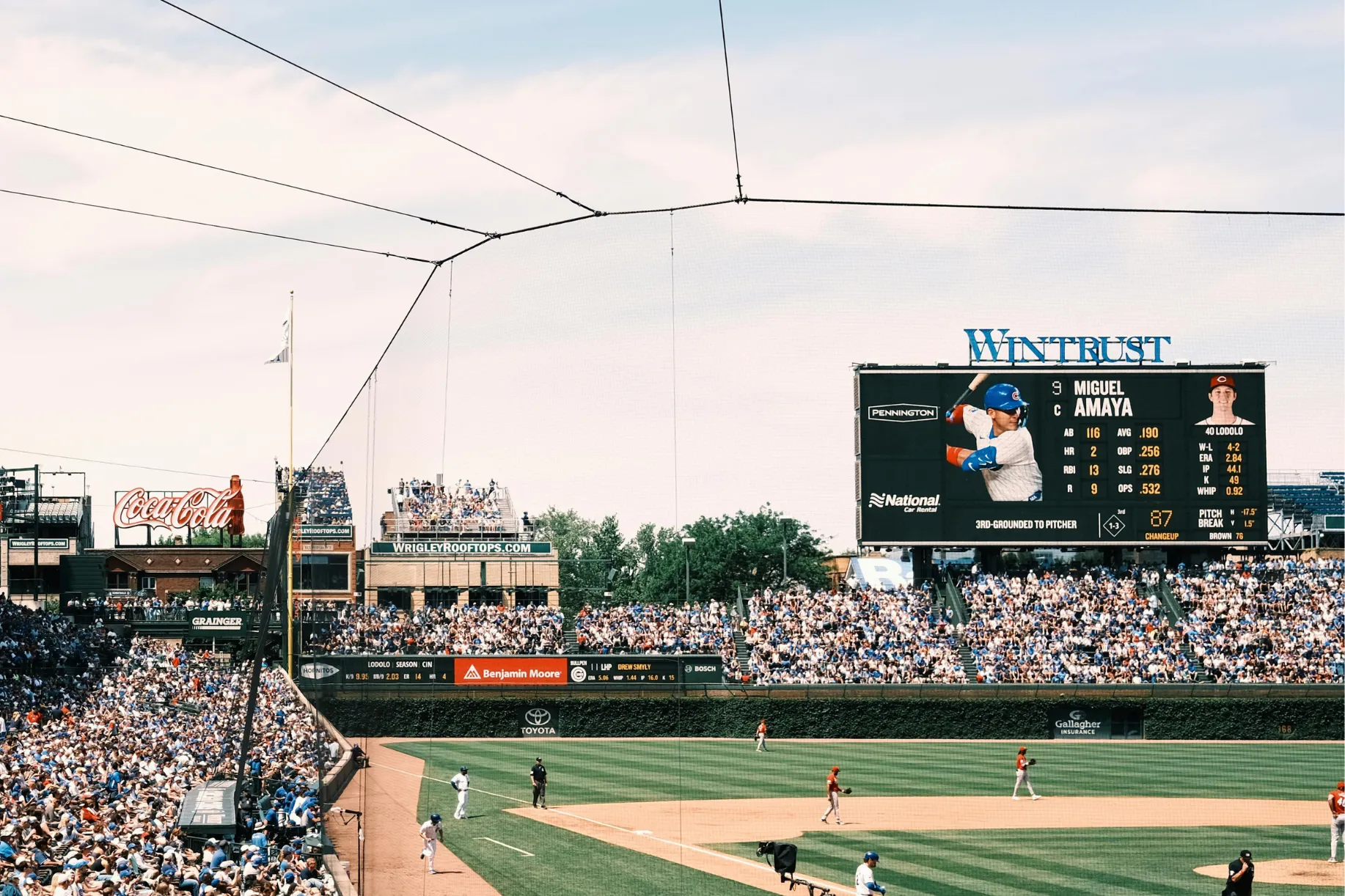
The most noticeable part of a scoreboard is the display. Older scoreboards used light bulbs or simple number panels. Today, most stadiums use LED screens.
LED stands for light-emitting diode. These tiny lights can turn on and off very quickly. Thousands or even millions of LEDs work together to create numbers, letters, and images. When you see the score change from 21 to 24, the LEDs simply switch patterns to form new numbers.
Large stadium screens are made of many LED panels connected together. Engineers design them so they can still work even if one panel needs to be replaced.
The Control System
Scoreboards do not change by themselves. They are controlled by a computer system.
During a game, a scoreboard operator sits at a control station. The operator presses buttons or uses software to update the score, game clock, and other information. For example, when a basketball team scores, the operator quickly adds two or three points.
The computer sends signals to the scoreboard telling the LEDs exactly which lights should turn on.
Sensors and Game Clocks
Many scoreboards also connect to timers and sensors. These systems help keep track of time and game events.
In basketball and football, the game clock counts down automatically. The timer is linked to the scoreboard so the time always updates in real time.
Some sports arenas also use sensors to track statistics. For example, baseball stadiums can connect radar systems that measure pitch speed and send that information to the scoreboard.
Power and Wiring
Scoreboards require a lot of electricity. Stadium screens are very bright so fans can see them even during the daytime.
Inside the scoreboard are power supplies, wires, and cooling systems. The cooling systems prevent the electronics from overheating. Engineers design these systems carefully because scoreboards must work in rain, heat, and cold weather.
More Than Just Numbers
Modern scoreboards do much more than show the score. They can display replays, player highlights, and animations to excite the crowd.
Even though fans mostly see a giant screen, a scoreboard is really a large engineering system made of LEDs, computers, timers, and power systems. All of these parts work together to help fans understand the game and enjoy the experience.
* LitZone has no affiliation with the NBA, NFL, MLB or any other 3rd-party organizations or individuals mentioned on this site or its applications. All logos are the trademark and property of their respective owners. All player images and logos are used purely for educational and editorial purposes. Insights from the Deep Dive Fantasy Football Podcast.